
Last updated September 23, 2026
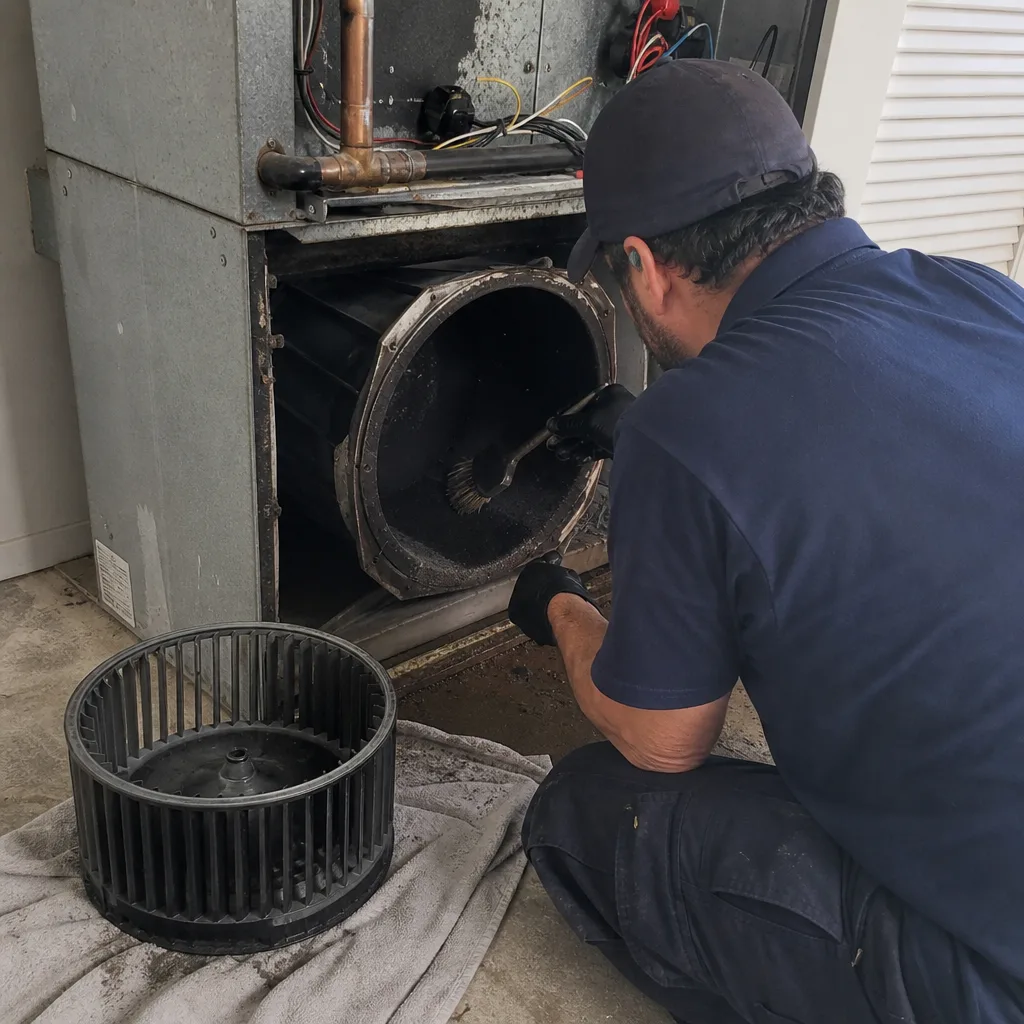
Whole-system duct and dryer vent check with before-and-after photos - you see exactly what came out of your vents
That "$99 whole-house special" is a bait ad - the real number appears once they are in your hallway, or the "clean" is a shop-vac at the register. We photograph the inside of your ducts before and after instead.
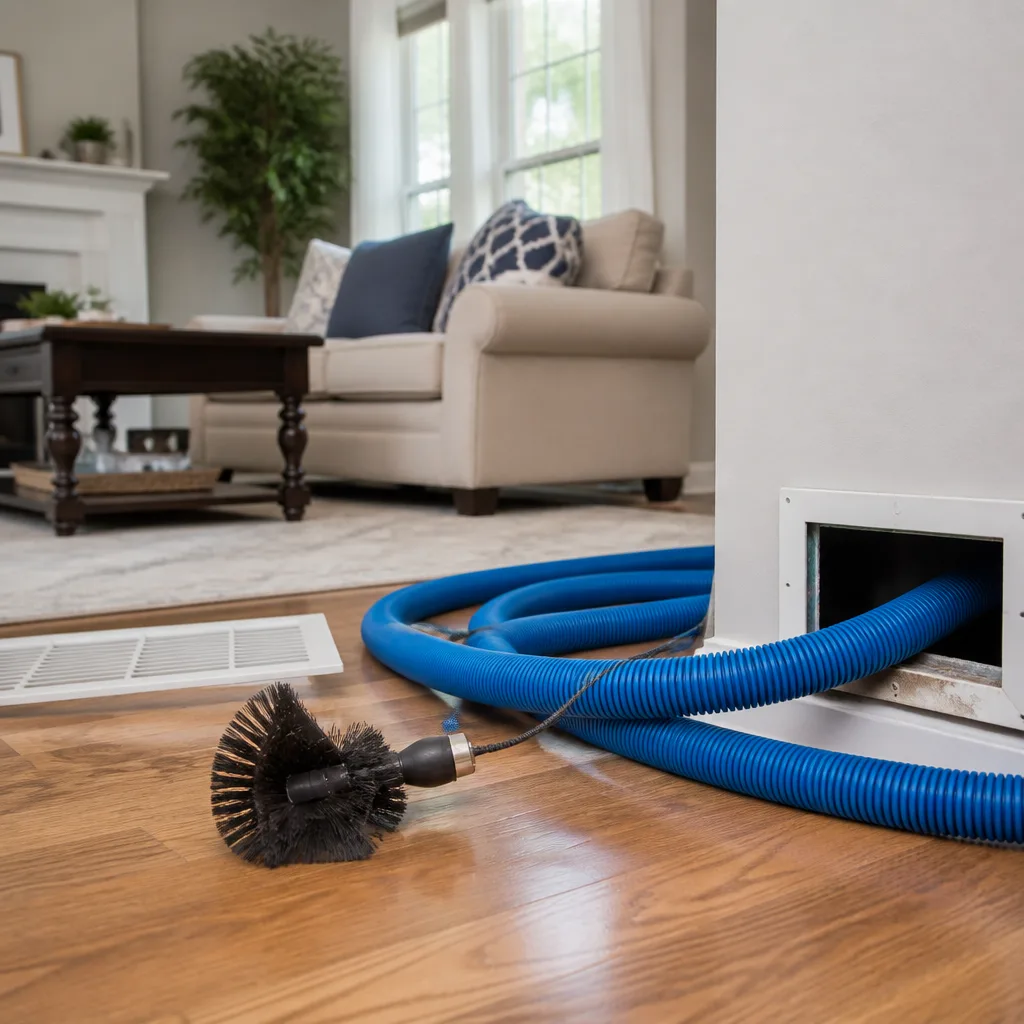
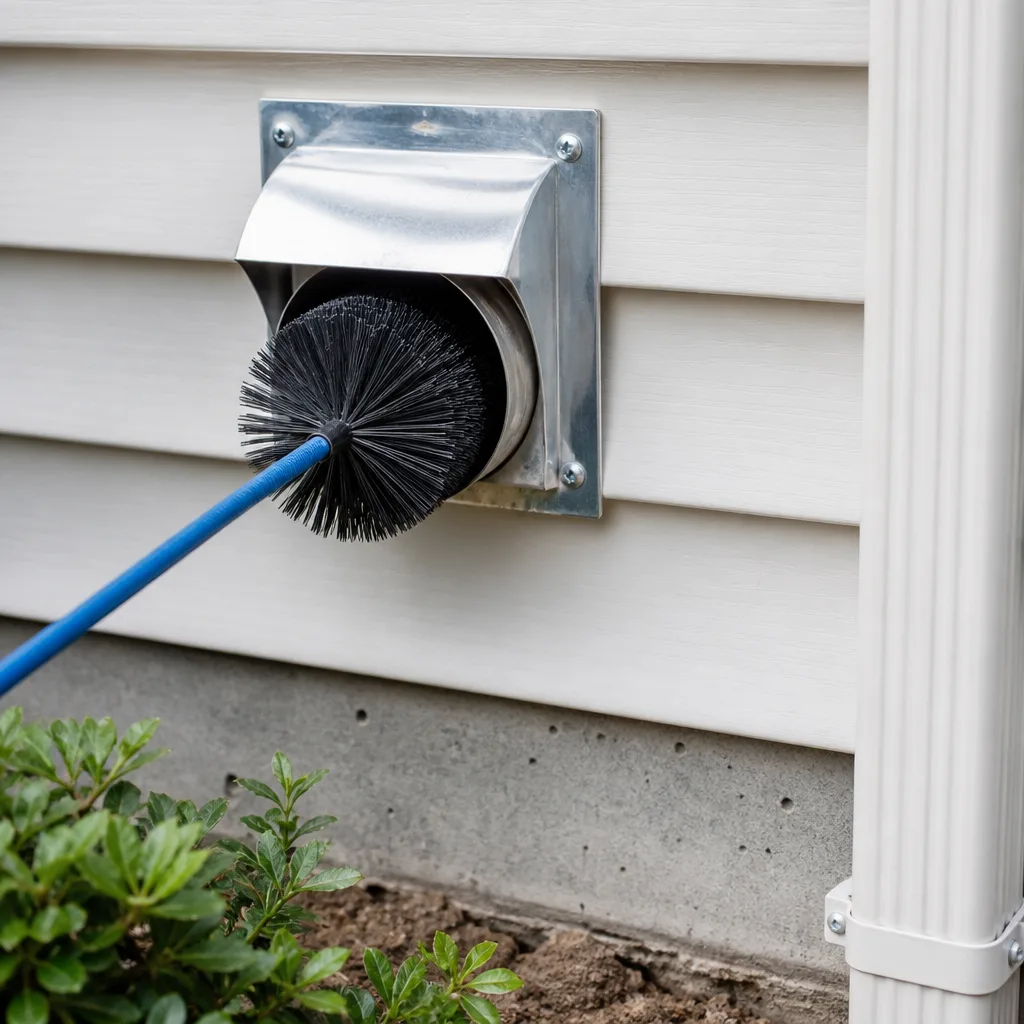
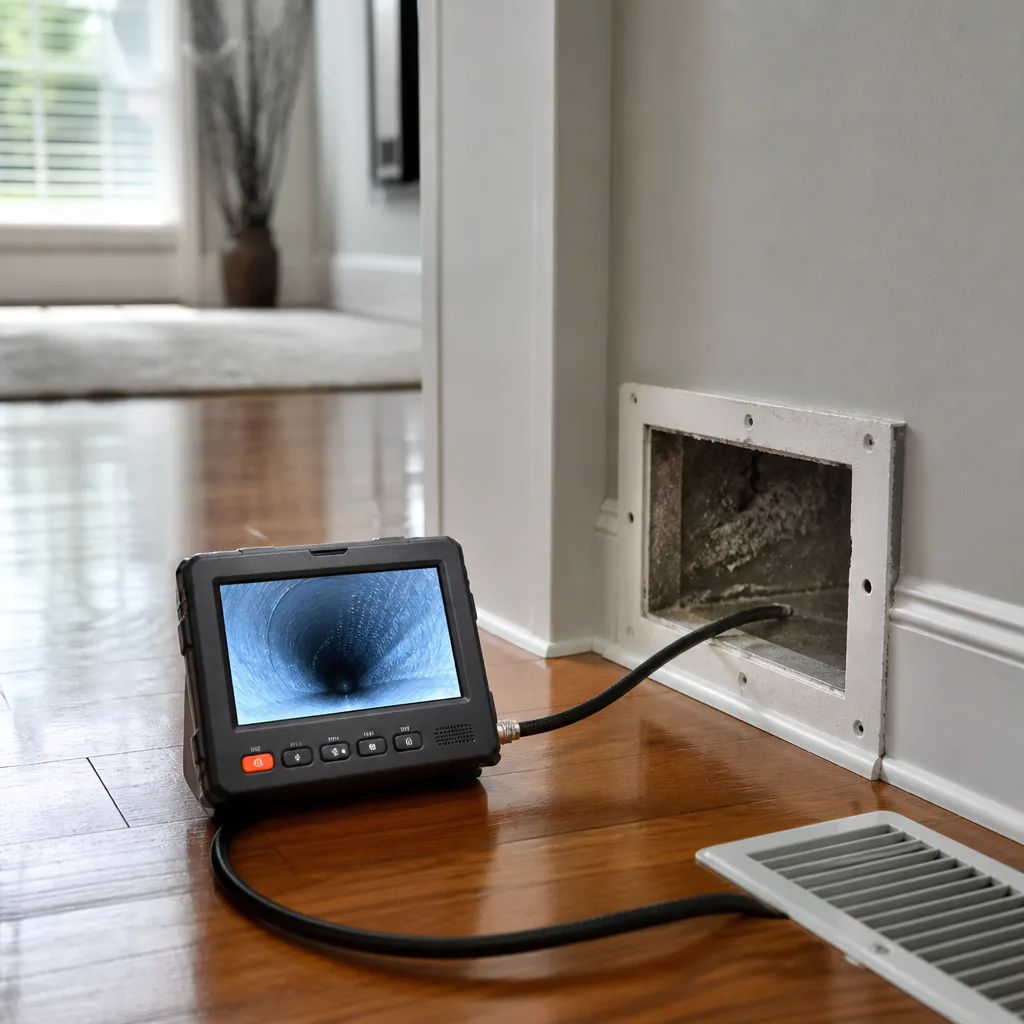
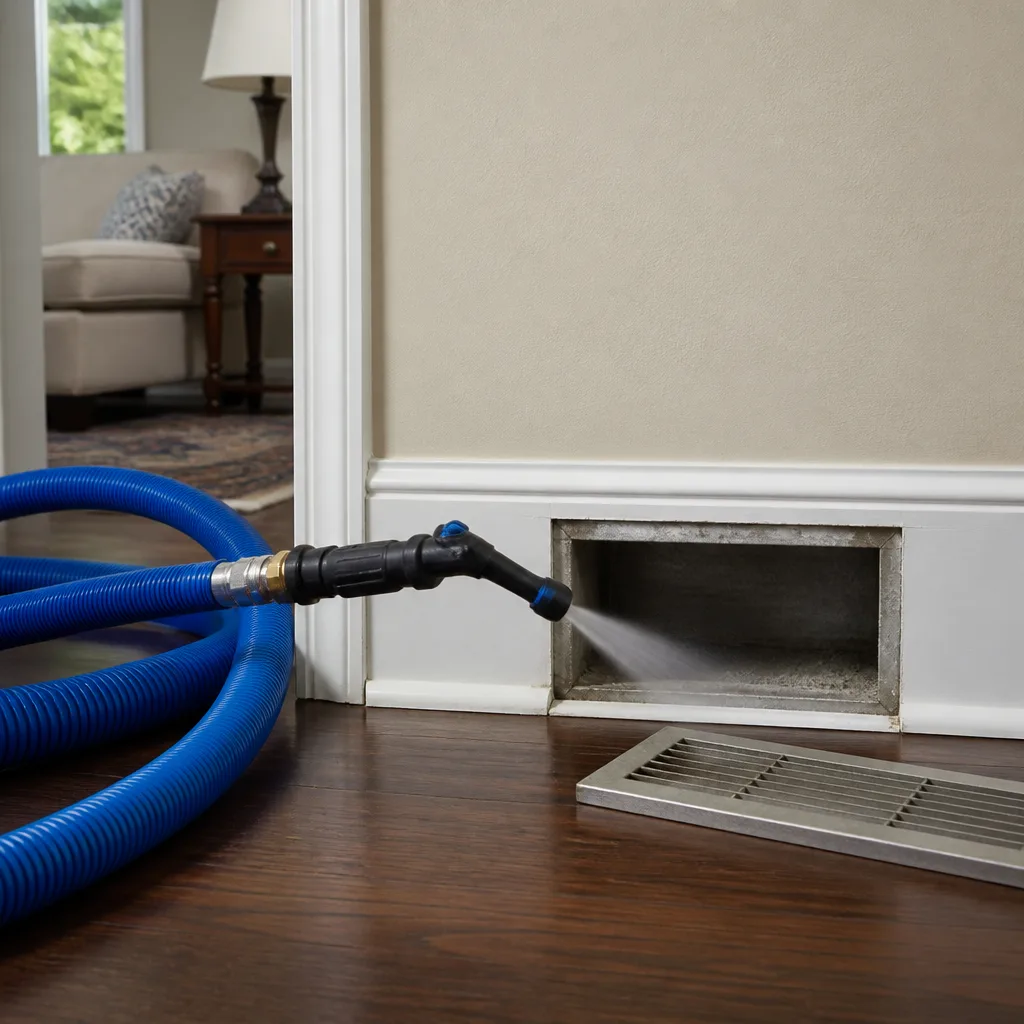
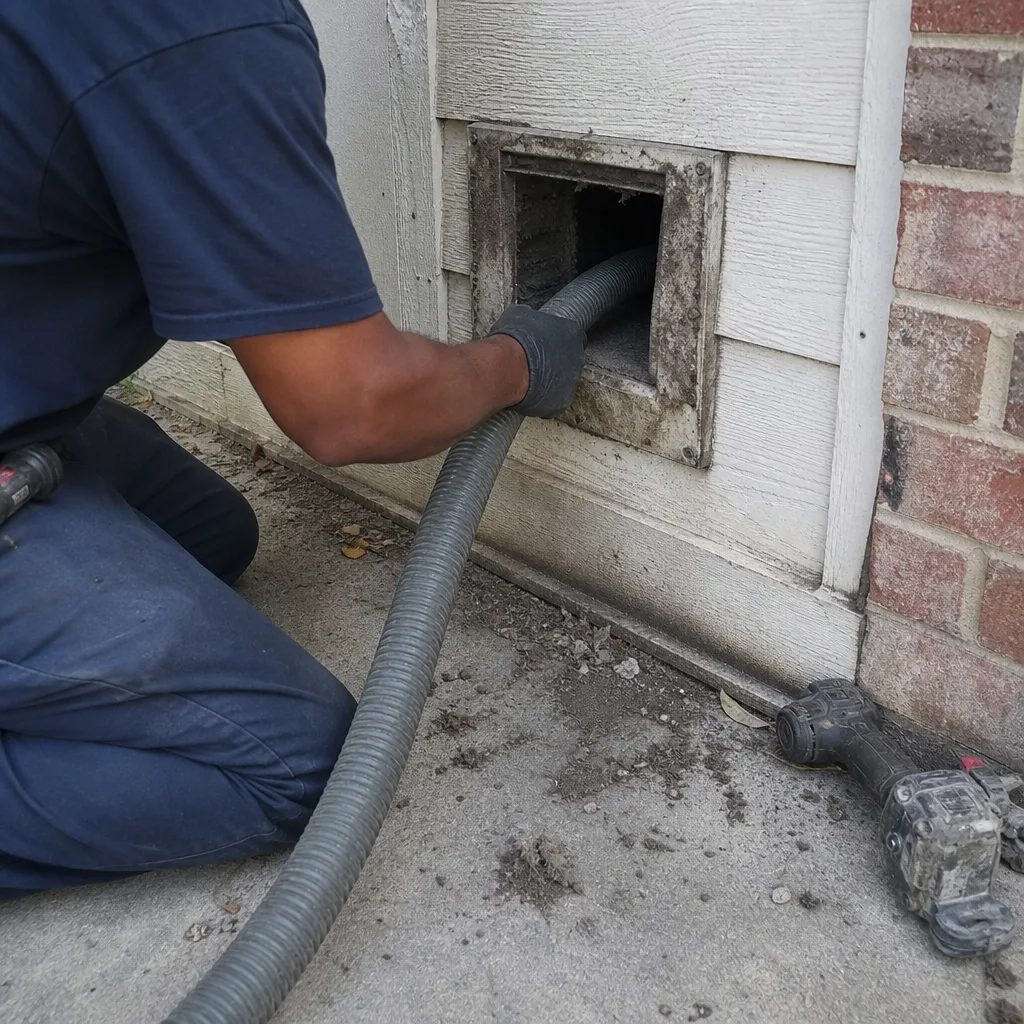 Before
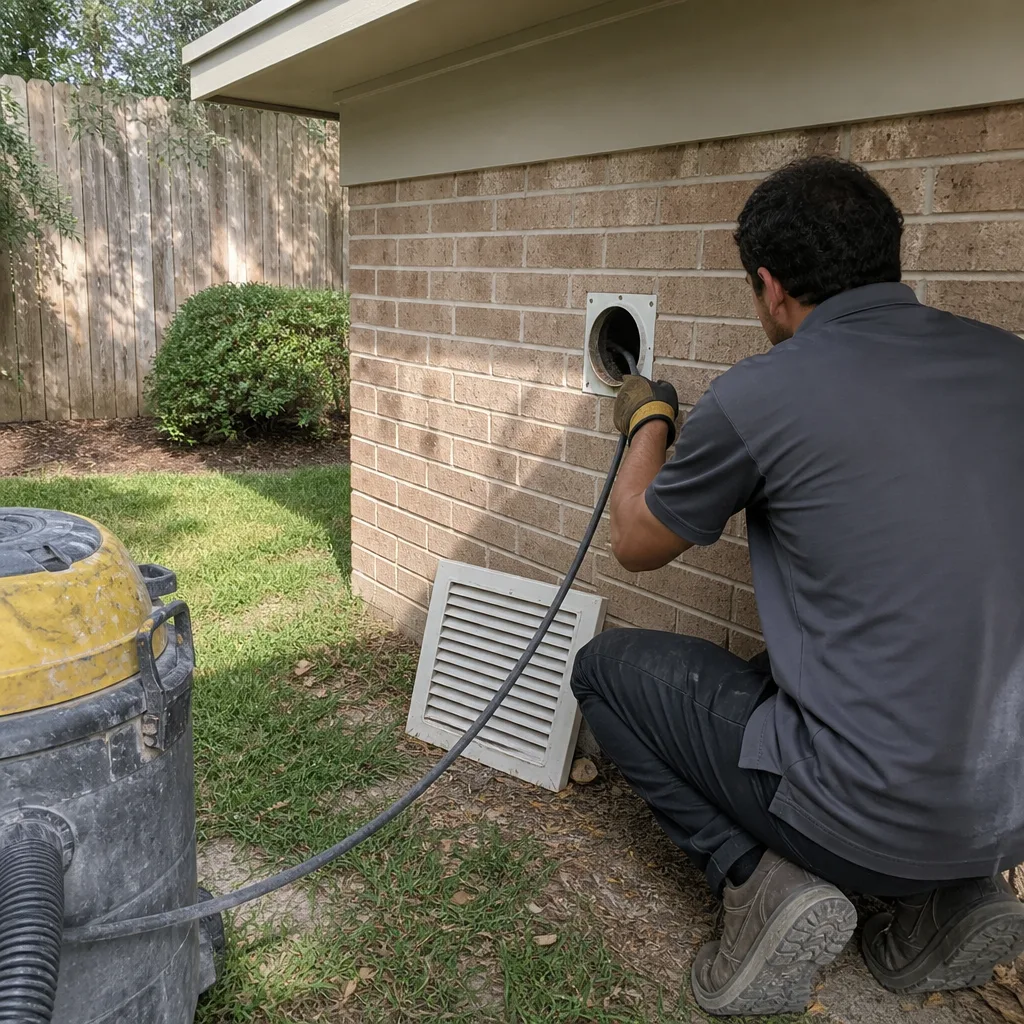 After
After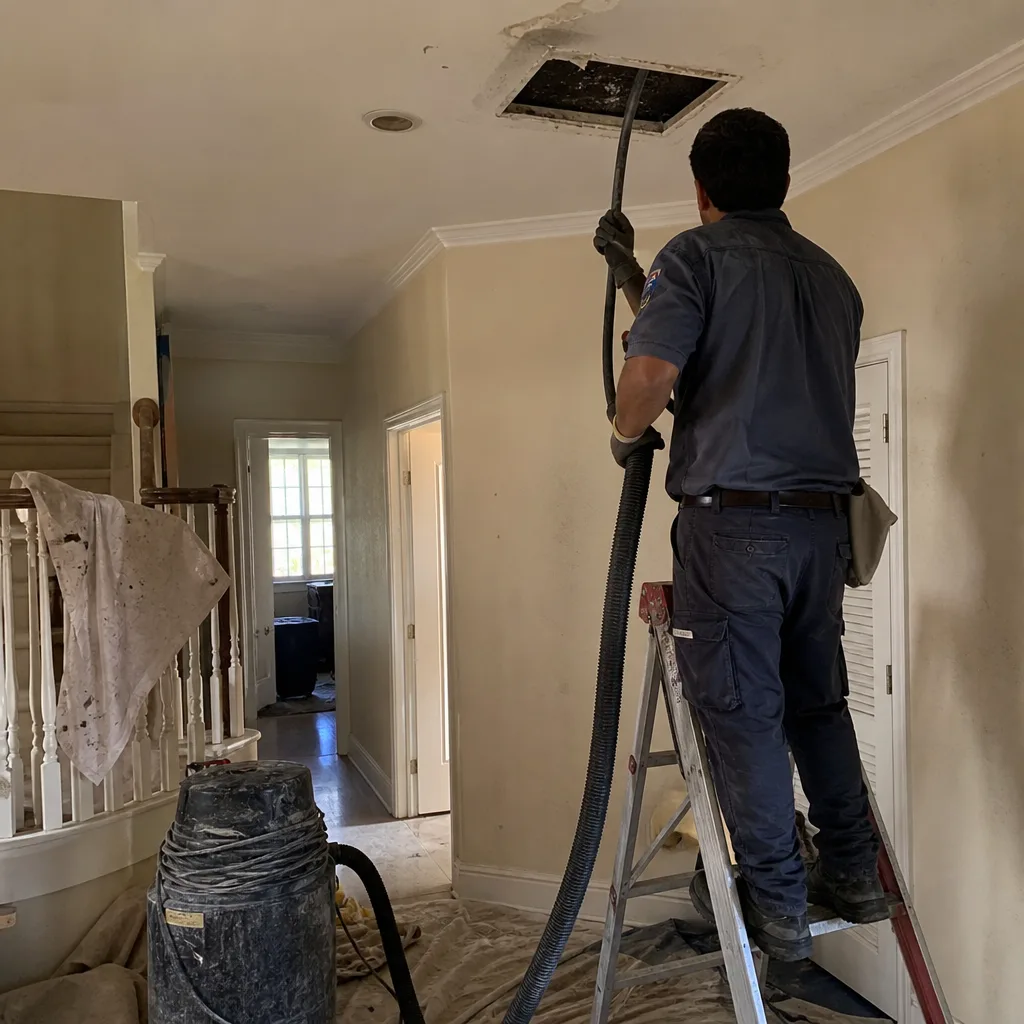 Before
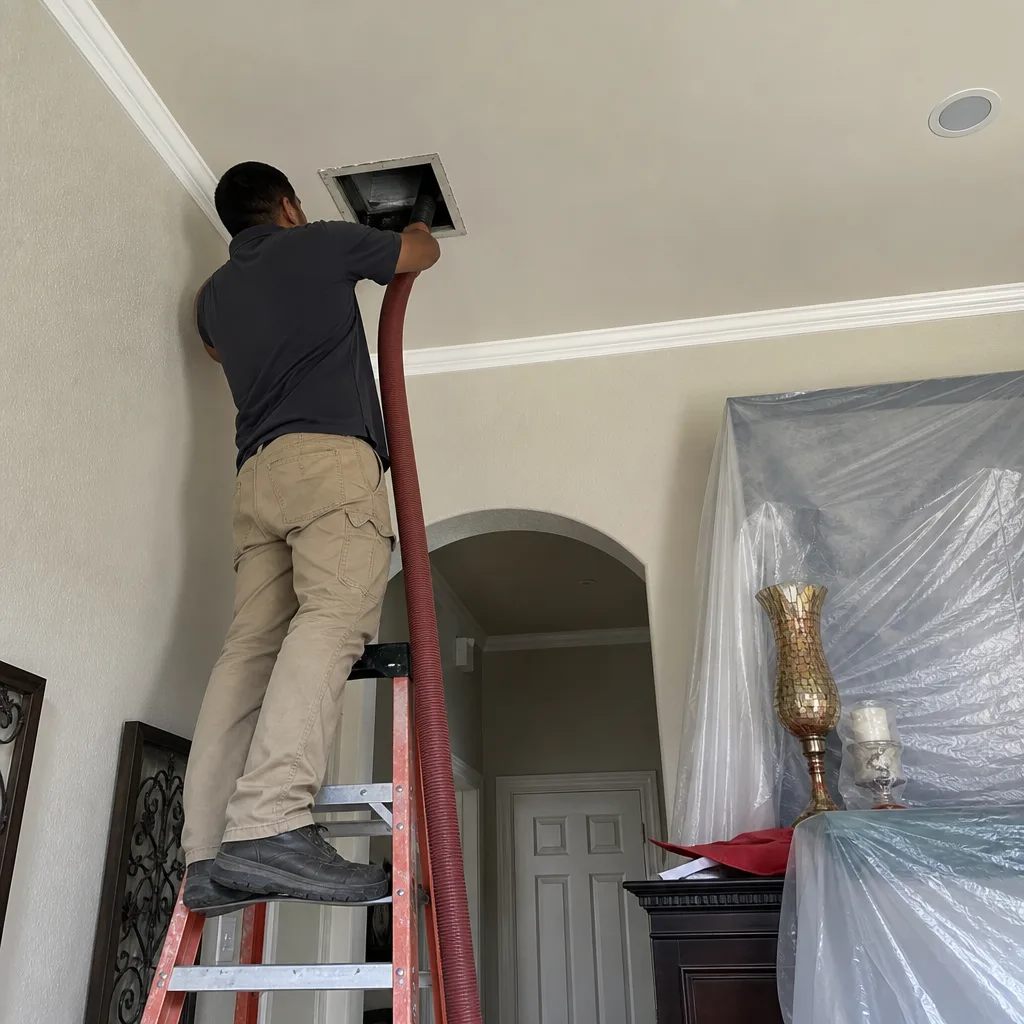 After
After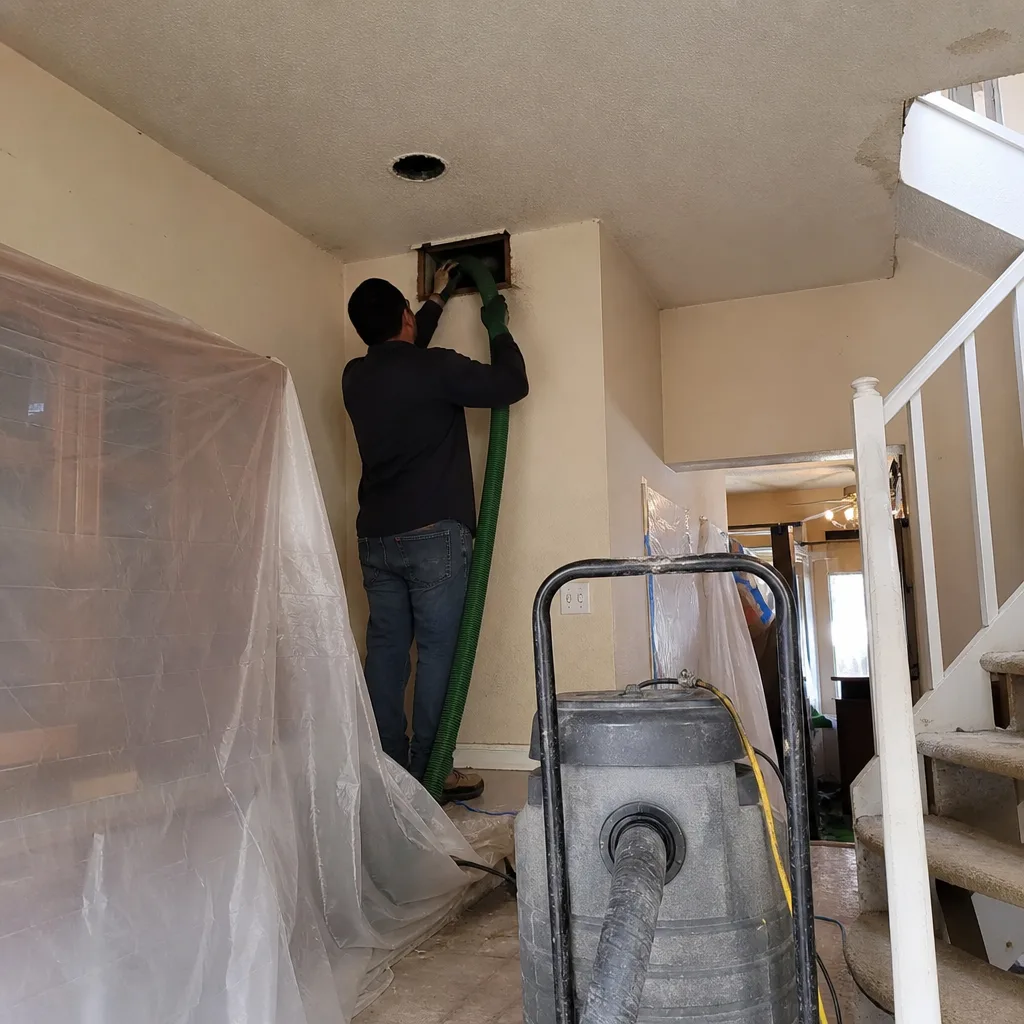 Before
 After
AfterAir Duct Cleaning Permits, Codes & Inspections in TX: What You Need to Know
Most homeowners in Pearland assume that if a service doesn’t require a permit, it also doesn’t require much scrutiny. That assumption costs people money. In Texas, air duct cleaning itself sits in an unregulated gap - no state license, no permit, no inspection. But the moment a crew disconnects a supply trunk, replaces a rusted plenum, or seals a leaking junction with anything more than a wipe-down, the work crosses into HVAC repair territory. And in Pearland’s jurisdiction under Brazoria County, unpermitted HVAC repairs can void your homeowner’s insurance claim if a fire or flood traces back to that junction. We’ve documented this exact scenario since 2013: a customer calls us for a second opinion after a “$79 whole-house special” left their ductwork partially disconnected and their attic insulation contaminated with loose debris. For more on what to watch for, see our Air Duct Cleaning Warning Signs: A Pearland Homeowner’s Reference Guide.
Quick Answer
Air duct cleaning alone requires no permit in Texas. However, any repair, modification, or disconnection of ductwork, plenums, or air handlers may require a licensed HVAC contractor and permit under local amendments to the International Mechanical Code. In Pearland and Brazoria County, homeowners should verify in writing whether proposed work crosses this line before any crew enters the home.
Table of Contents
- The Regulatory Line: Cleaning vs. Repair or Modification
- What Texas State Law Actually Says (and Doesn’t Say)
- Pearland and Brazoria County: Local Amendments That Matter
- Code-Compliant Materials vs. What Crews Actually Use
- How Unpermitted Work Affects Insurance and Resale
- Five Questions to Ask Before Hiring Any Duct Cleaning Crew
- What to Do If You Discover Unpermitted Duct Modifications
- Documentation Standards: What a Proper Job Record Looks Like
BeforeAfterThe Regulatory Line: Cleaning vs. Repair or Modification
Texas occupies a peculiar position in the national regulatory landscape. The state licenses electricians, plumbers, and HVAC contractors, but it does not license air duct cleaning as a standalone trade. This creates a gap that low-bid operators exploit aggressively. A crew can legally enter your Pearland home, run a brush through your ducts, and collect payment without a single hour of formal training or a business license beyond basic registration.
The line that matters sits between cleaning and repair. Here’s the distinction that determines whether permits and licensed contractors become relevant:
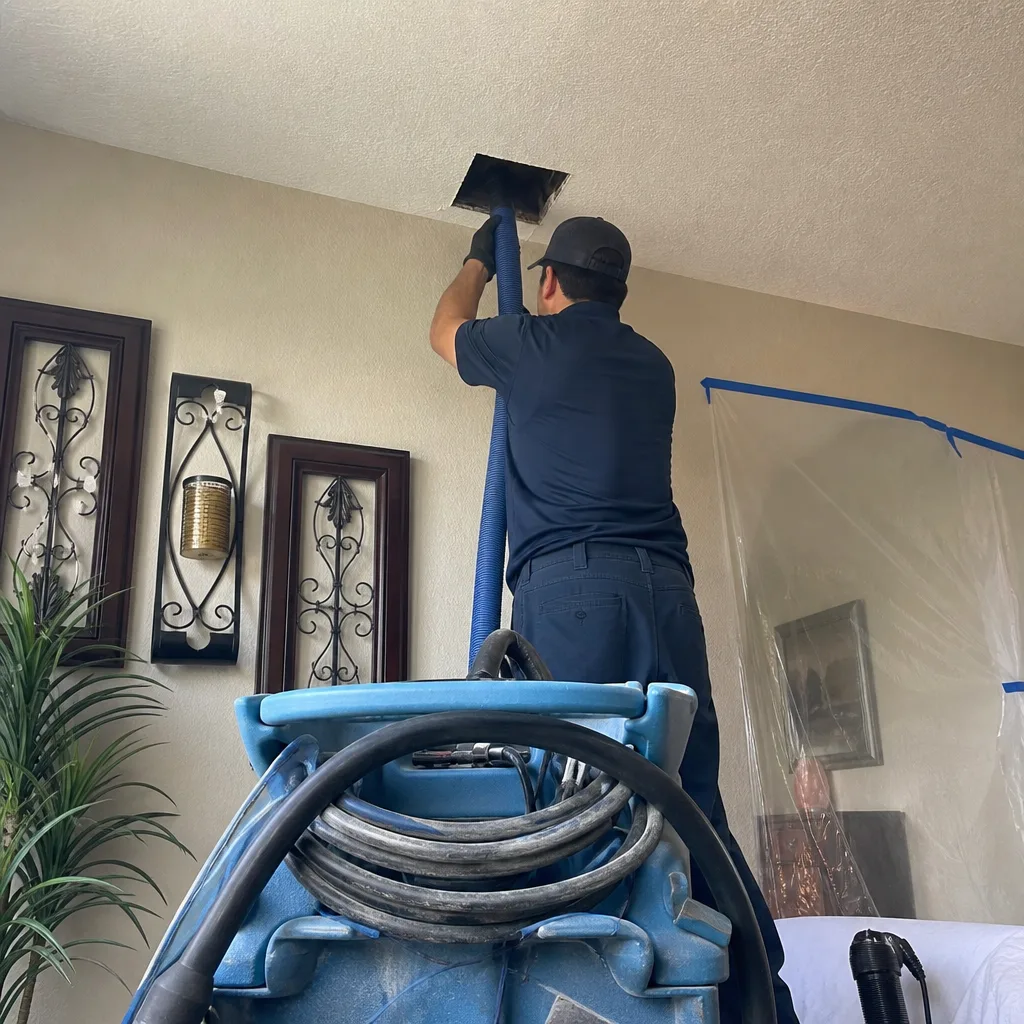
- Cleaning: Mechanical removal of debris, dust, and contaminants from existing ductwork using brushes, compressed air, or negative-pressure extraction (vacuum systems that pull debris out rather than blowing it inward). The physical structure of the ductwork remains untouched.
- Repair or Modification: Any disconnection and reconnection of duct sections, sealing of leaks with applied materials, replacement of damaged components, alteration of plenum connections, or modification of register locations. This includes seemingly minor work like detaching a supply trunk to access interior surfaces.
The International Mechanical Code (IMC), adopted with amendments by Brazoria County and enforced within Pearland city limits, classifies duct sealing and reconnection as mechanical work. Section 602 of the IMC requires that duct systems “shall be constructed and installed” to specific standards, and Section 106 requires permits for “installation, alteration, or repair” of mechanical systems.
Here’s where Pearland homeowners get caught. A typical air duct cleaning in Pearland involves accessing the plenum - the central distribution box attached to your air handler. To clean it properly, a technician often must disconnect supply trunks. That disconnection and reconnection constitutes repair work under IMC definitions. If the crew is not a licensed HVAC contractor and has not pulled a permit, the work exists in a regulatory gray zone that becomes black-and-white the moment something goes wrong.
We’ve photographed the consequences since 2013. In Shadow Creek Ranch, a customer hired a cut-rate crew whose reconnection of a 14-inch supply trunk left a half-inch gap. Conditioned air poured into the attic for eight months before we discovered it during a routine cleaning call. The homeowner’s summer electric bills had climbed 34 percent. No permit meant no inspection meant no one caught the error until our camera showed the gap.
What Texas State Law Actually Says (and Doesn’t Say)
Texas does not require a state license for air duct cleaning. The Texas Department of Licensing and Regulation (TDLR) oversees the Air Conditioning and Refrigeration Contractors program, which licenses HVAC contractors who install, maintain, or repair air conditioning and refrigeration systems. Duct cleaning, standing alone, falls outside this framework.
This absence of regulation creates three practical realities for Pearland homeowners:
- Anyone can advertise duct cleaning. No training requirement, no examination, no continuing education. A crew with a shop vacuum and a borrowed brush set can claim expertise.
- Insurance and bonding are optional. Unlike licensed HVAC contractors who must carry specified coverage, duct cleaning operators face no state-mandated insurance minimums. When damage occurs, homeowners often discover the operator lacks coverage to make them whole.
- Consumer recourse is limited. TDLR cannot discipline an unlicensed duct cleaner. The Better Business Bureau and small claims court remain the primary avenues, both slow and uncertain.
The Texas Occupations Code, Chapter 1302, defines regulated HVAC work as “installing, maintaining, repairing, or replacing” air conditioning and refrigeration equipment and systems. The statute does not explicitly mention duct cleaning, but it does cover “ductwork” as part of a “system.” Texas Attorney General opinions and TDLR enforcement practices have generally interpreted this to include ductwork modifications and repairs, but not pure cleaning.
For homeowners, this means due diligence falls entirely on your shoulders. The state will not verify a duct cleaner’s qualifications before they enter your home. You must ask, verify, and document yourself.
Pearland and Brazoria County: Local Amendments That Matter
Pearland operates under Brazoria County’s building code enforcement for unincorporated areas, while incorporated Pearland maintains its own Building Standards Department. Both jurisdictions have adopted the 2021 International Mechanical Code with local amendments that affect ductwork.
The relevant provisions for homeowners considering CleanRun Air Duct Cleaning Pearland home services or any competitor include:
- IMC Section 602.2 - Duct Sealing: Requires that joints, seams, and connections in ductwork be sealed with materials approved for the application and temperature. Brazoria County amendments emphasize mastic sealant or factory-applied closure systems for all metal duct joints in conditioned spaces.
- IMC Section 602.9 - Supports: Ductwork must be supported at intervals not exceeding specific spans. We’ve found unsupported flex duct in Pearland’s older subdivisions like Green Tee Terrace, where 1970s construction predates modern standards and subsequent “cleaning” crews have further disturbed original supports.
- Pearland Amendment - Mechanical Permits: The city requires permits for “alteration, repair, or replacement of any portion of a mechanical system affecting air distribution.” This explicitly includes ductwork modifications. A permit costs approximately $85-$150 for residential duct repair, with inspection required before closure.
Pearland’s climate amplifies the stakes. The Gulf Coast humidity, averaging 75-80 percent annually, accelerates microbial growth in poorly sealed ductwork. When a cleaning crew disturbs existing seals without proper resealing, they introduce moisture pathways that didn’t exist before. We’ve photographed active mold colonization in Silverlake homes where foil tape, degraded by attic heat exceeding 140°F in summer, failed after amateur duct work.
The city’s rapid growth - Pearland expanded from 37,000 residents in 2000 to over 125,000 today - has strained inspection resources. New construction in Shadow Creek Ranch, Pomona, and Southern Trails moves quickly, and aftermarket duct modifications often escape permitting scrutiny. Homeowners in these newer subdivisions should be particularly vigilant: your builder’s original HVAC permit covered initial installation, not subsequent “cleaning” that morphed into repair.
Code-Compliant Materials vs. What Crews Actually Use
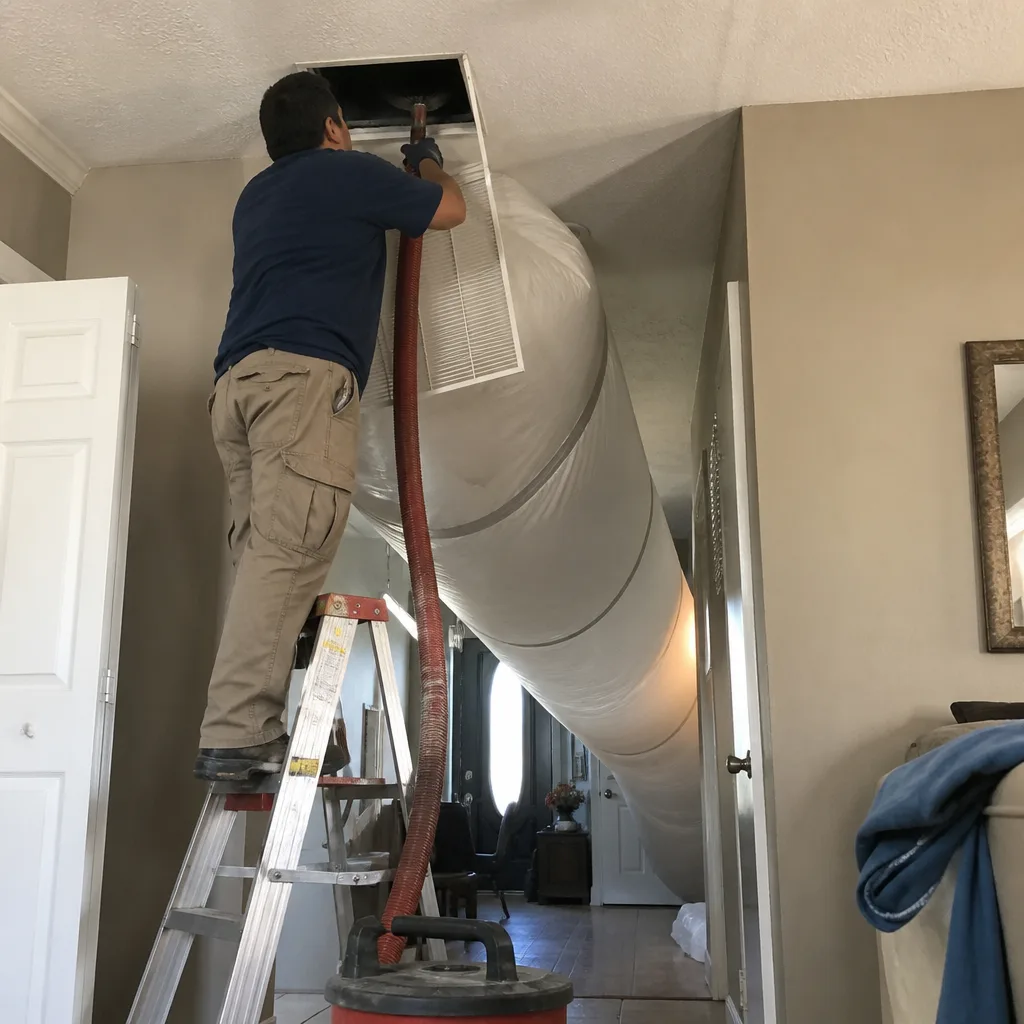
The gap between what codes require and what crews carry separates professional operations from coupon-chasing vans. Here’s the specific breakdown for Pearland’s climate and regulatory environment:
| Material | Code Status in Pearland/Brazoria County | Typical Use by Low-Bid Cleaners | Performance in Gulf Coast Climate |
|---|---|---|---|
| Water-based mastic sealant (UL 181B-M) | Required for metal duct joints in conditioned spaces | Rarely carried; slower application | Excellent; remains flexible, resists humidity |
| Foil tape (UL 181A-P or 181B-FX) | Permitted for flex duct connections and sealing | Common; often the wrong grade | Moderate; heat degradation in attics over 3-5 years |
| Standard cloth duct tape | Not code-compliant for any duct application | Frequently used for quick fixes | Poor; adhesive fails within months in humidity |
| Aerosol sealant (internal) | Emerging; must meet IMC material standards | Occasionally marketed as “premium” | Variable; depends on application protocol |
At CleanRun, our crews carry mastic sealant and proper-grade foil tape on every truck. When a HVAC cleaning in Pearland reveals a separated joint, we document the finding, explain the repair need, and - if the homeowner chooses - perform the work with code-compliant materials. We do not use cloth duct tape for any duct application. Haven Standard Clause 4: Documented Materials specifies that every sealant and tape used on a job is recorded in the written job scope, with manufacturer and product identification.
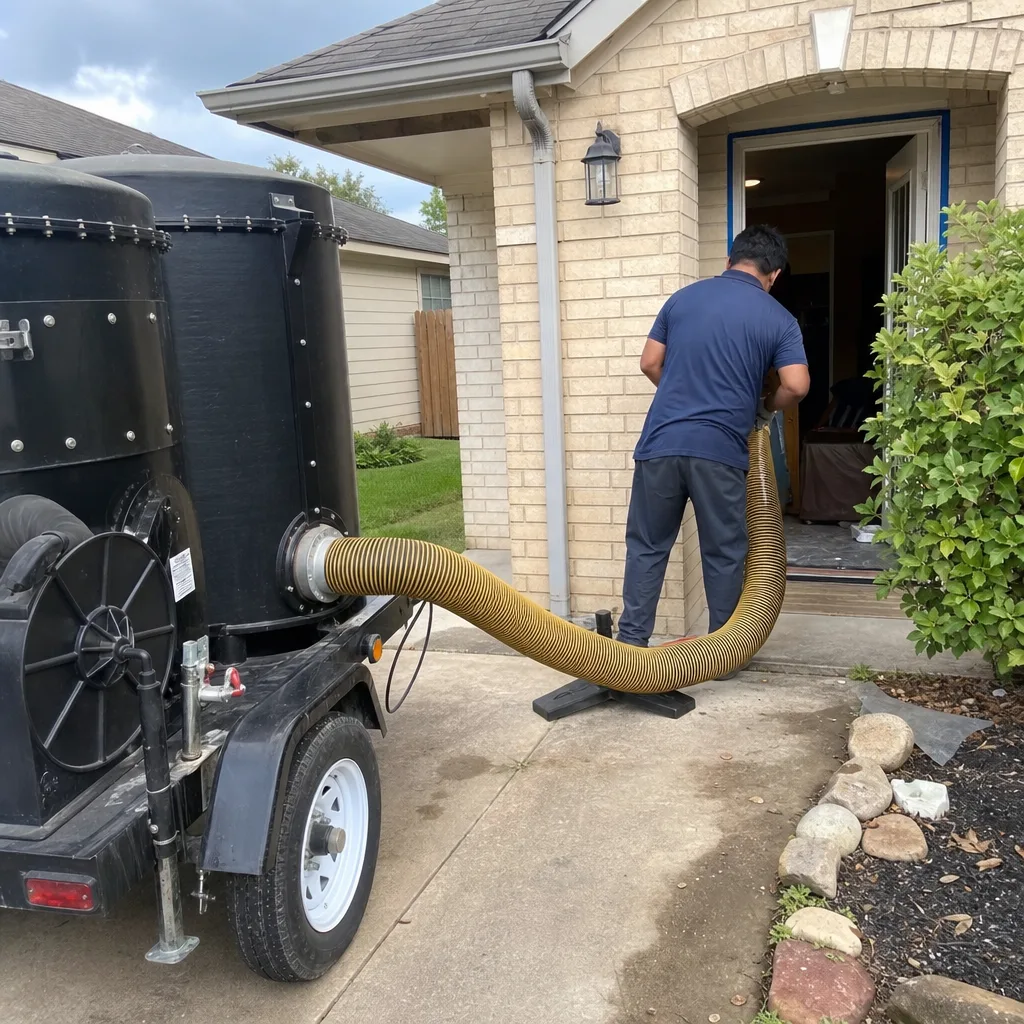
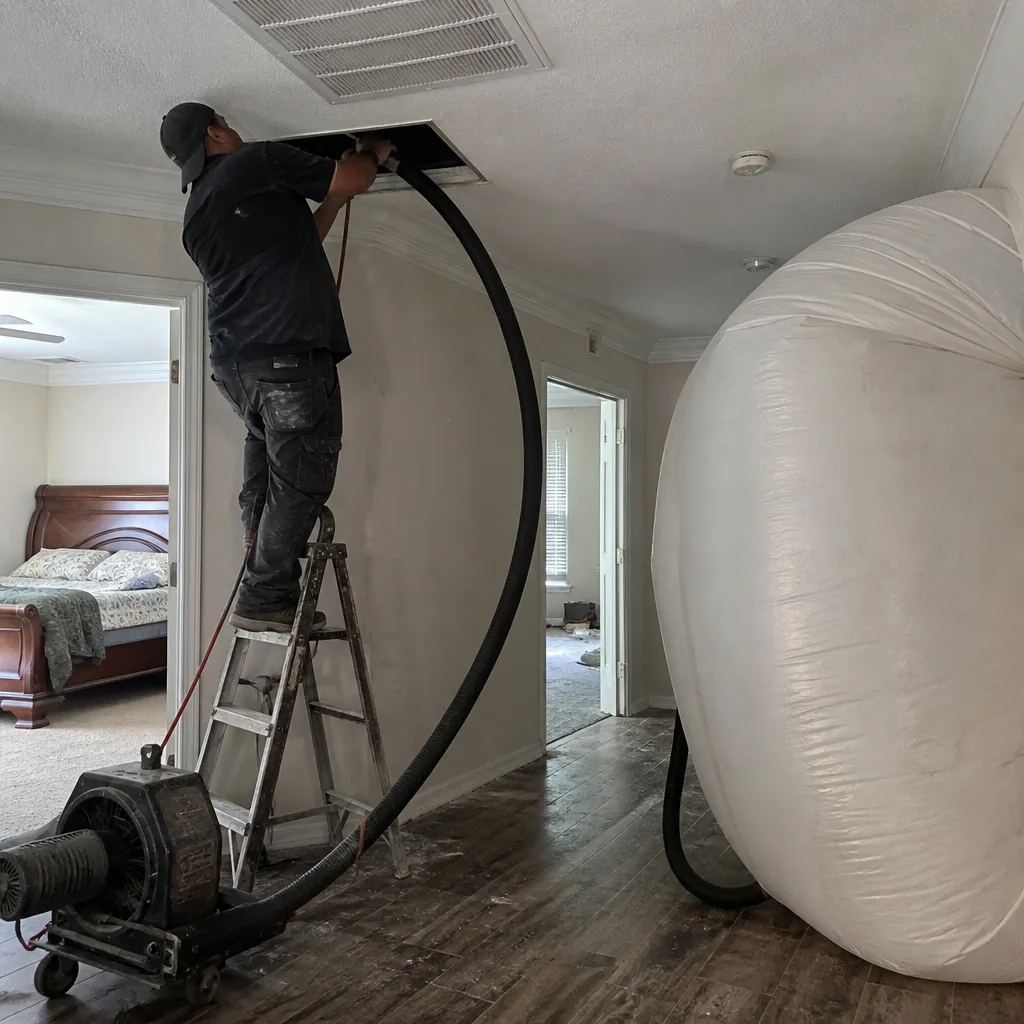
The equipment brands matter for verification. Our negative-pressure extraction systems include Nikro and Abatement Technologies units, with Rotobrush mechanical agitation tools for stubborn debris buildup. These are trade-recognized manufacturers whose specifications homeowners can independently verify. When a crew arrives with unbranded equipment or refuses to identify what they’re using, that refusal itself is information.
How Unpermitted Work Affects Insurance and Resale
The consequences of unpermitted duct modifications extend beyond immediate mechanical failure. They surface at the worst possible moments: after a house fire, during a flood claim, or when a buyer’s inspector flags irregularities.
Homeowner’s Insurance: Texas insurance policies contain standard provisions requiring that the home be maintained to code and that any alterations be properly permitted. If a fire originates in an attic where unpermitted ductwork created a heat concentration, or if water damage traces to a poorly sealed plenum connection, the insurer may deny or reduce the claim based on code violations. We’ve reviewed claim denials where the adjuster specifically cited “unpermitted HVAC modifications” as a contributing factor.
Resale Disclosure: Texas Property Code Section 5.008 requires sellers to disclose known defects and code violations. Unpermitted duct modifications discovered during a buyer’s inspection become a disclosure obligation. In Pearland’s competitive market, this can delay closing, trigger renegotiation, or kill the deal entirely. The cost to remediate - removing and replacing unpermitted work, then permitting the correction - typically runs $800-$2,400, far exceeding what proper permitting would have cost initially.
Property Records: Permitted work creates a paper trail in city and county records. Unpermitted work creates liability without documentation. When we encounter suspicious duct modifications during a cleaning call - mismatched materials, unsupported flex runs, obvious handyman repairs - we photograph and document for the homeowner. This record becomes evidence if questions arise later.
In Creekstone, a 2019-built subdivision, we documented a “whole house cleaning” that had left the return plenum partially collapsed. The previous homeowner had paid $89 for the service, never received photos, and sold the house without knowing the damage existed. The buyer discovered it during our pre-purchase duct inspection. The $89 “cleaning” became a $1,400 repair that nearly derailed closing.
Five Questions to Ask Before Hiring Any Duct Cleaning Crew
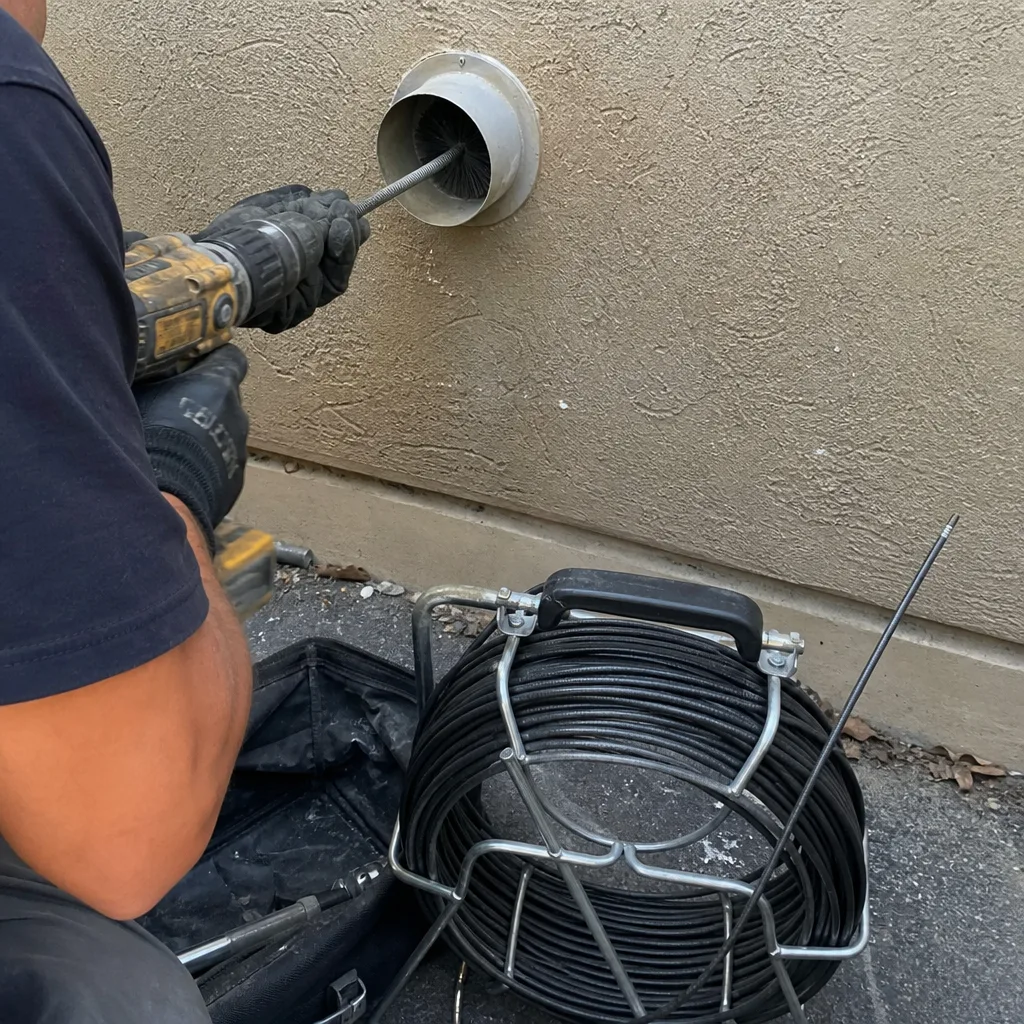
These questions separate documented professionals from operators who rely on your not asking. Get every answer in writing before work begins.
- “Will you disconnect any ductwork, plenums, or air handler connections to perform this cleaning?” If yes, the work may require a licensed HVAC contractor and permit. A crew that cannot explain where the line falls is a crew that does not know the line exists.
- “What specific sealants and tapes will you use if you find leaks, and are they UL 181 rated?” Cloth duct tape is an automatic disqualifier. Mastic sealant or proper-grade foil tape should be named specifically, with manufacturer identification.
- “Will I receive a written scope and price before work starts, with no additional charges possible without my written approval?” This is Haven Standard Clause 1. Any hesitation, any “we’ll see what we find,” any pressure to authorize work before pricing indicates an operator who profits from your uncertainty.
- “Will you photograph the inside of every duct run before and after, and deliver those photos to me as part of the standard job record?” Without photographic evidence, you cannot verify that work occurred, evaluate its quality, or document pre-existing conditions for future reference. Our Documented Photo Record, included on every visit since 2013, uses Guardsman-grade inspection cameras with LED illumination to capture readable images inside 6-inch flex duct.
- “Are you licensed as an HVAC contractor in Texas, and will you pull any required permits for repair work?” A legitimate “no” to the license question is acceptable only if the crew commits in writing that they will not perform any work crossing into repair territory. A vague or evasive answer is not acceptable under any circumstances.
These questions work because they force specificity. The $79 coupon operator has scripted answers for “Are you licensed?” and “How long have you been in business?” They rarely have coherent responses to material specifications, photographic documentation protocols, or permit triggers. Your detailed questions are your screening mechanism.
What to Do If You Discover Unpermitted Duct Modifications
Discovery typically happens in one of three ways: a subsequent contractor mentions irregularities, a home inspection flags concerns, or you notice performance problems and investigate. Each pathway has a documentation strategy.
Step 1: Stop Using the System
If you suspect unpermitted work that affects airflow or involves electrical or gas connections, discontinue use until evaluation. This is not alarmism. A disconnected return duct in an attic can pull insulation fibers and rodent debris directly into your air handler, distributing contaminants throughout the home. A poorly sealed gas furnace plenum can create combustion safety issues.
Step 2: Document Everything
Photograph visible ductwork, registers, and the air handler area. Note dates of previous service, contractor names, and any documentation received. If you have no documentation from the previous work, note that absence - it becomes relevant in any dispute.
Step 3: Obtain a Professional Evaluation
Contact a licensed HVAC contractor or a duct cleaning operation that documents findings without performing repairs. CleanRun provides this evaluation service under our Free Second Opinion on Any Written Estimate - bring a competitor’s quote or a home inspection report, and we document what we find with photographs and a written scope. No repair work occurs without your separate written authorization.
Step 4: Determine Remediation Requirements
If the work is clearly unpermitted and code-deficient, remediation options include: (a) removing and replacing the unpermitted work with proper permitting, (b) seeking correction from the original contractor if they’re traceable and insured, or (c) documenting the deficiency for disclosure and negotiating with a buyer if you’re selling. In Pearland, the Building Standards Department can advise whether a retroactive permit is possible for minor work, though they typically require opening walls or ceilings for inspection.
Step 5: Update Your Disclosure Records
If you’re selling, disclose what you know. The Texas disclosure form specifically asks about “known defects” and “work performed without required permits.” A documented, remediated issue is far less damaging than one discovered by a buyer’s inspector.
Documentation Standards: What a Proper Job Record Looks Like
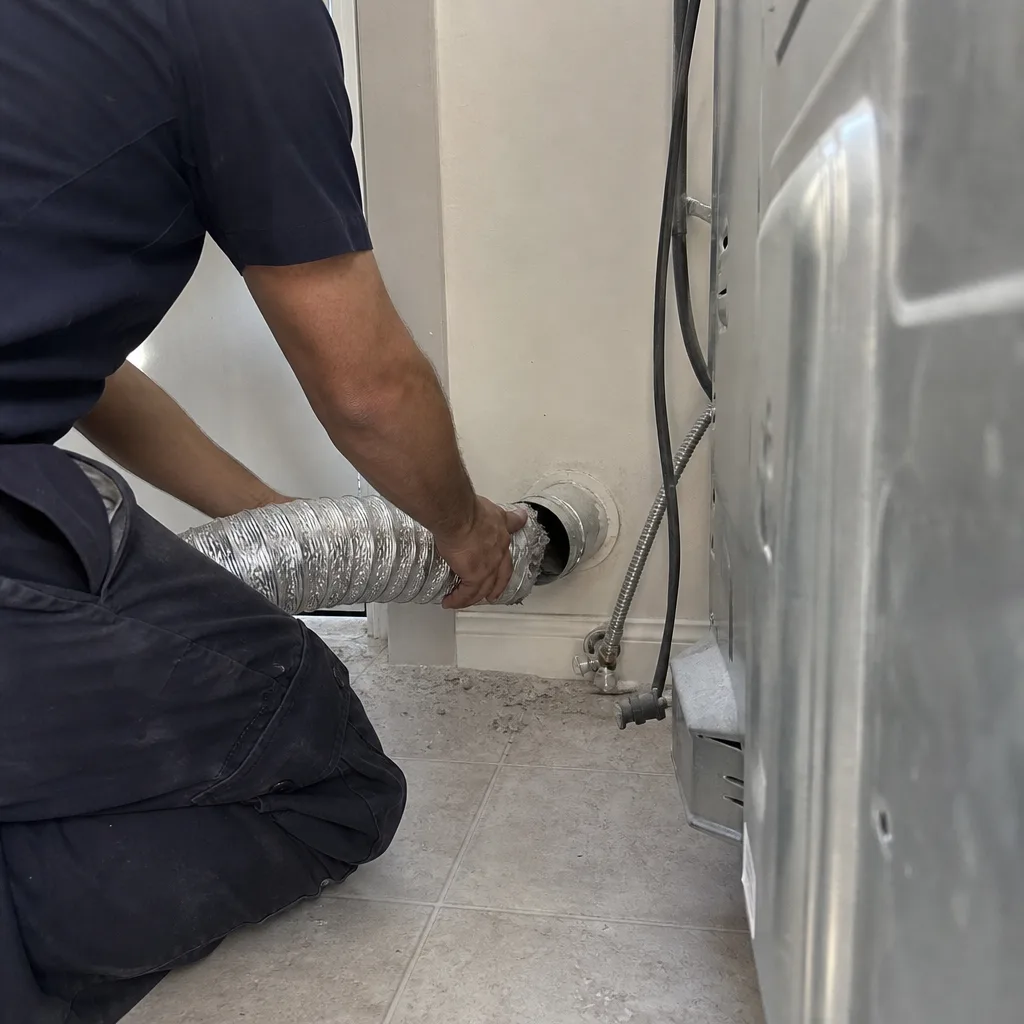
The absence of state regulation for duct cleaning means documentation becomes your only protection. A proper job record from any contractor - including dryer vent cleaning in Pearland or full HVAC service - should contain these elements:
- Written scope of work: Exactly what will be done, which duct runs will be accessed, what equipment will be used, and what materials will be applied. Vague language like “clean all ducts” is inadequate.
- Written price: One flat price for the agreed scope, with explicit statement that no additional charges will be made without homeowner’s written approval. Haven Standard Clause 1 requires this on every job.
- Pre-service photographs: Timestamped images showing the interior condition of accessible ductwork before work begins. These protect both parties - they prove pre-existing conditions and establish baseline cleanliness.
- Post-service photographs: Timestamped images from the same locations showing completed work. For duct cleaning, these demonstrate debris removal. For repairs, they show proper materials and installation.
- Material identification: Manufacturer and product names for any sealants, tapes, coatings, or sanitizers used. Homeowners can verify code compliance and research any health concerns.
- Warranty or guarantee in writing: Specific terms, duration, and process for making claims. CleanRun’s 365-Day Done Right Promise is printed on every invoice, not referenced only in marketing materials.
- Technician identification: Name and identification of the crew members who performed the work. Haven Standard Clause 3: Verified Crews requires background-checked, uniformed technicians identified by name before arrival.
Since 2013, we’ve delivered this complete record on every one of 52,000+ jobs. The photo record alone - before and after images of every duct run - has resolved more disputes and prevented more misunderstandings than any verbal assurance could. When a customer in Pearland’s Westwood subdivision questioned whether we’d actually cleaned a remote return run, we pulled the timestamped photo showing the 2-inch debris layer removed. The question ended there.
Common Mistakes to Avoid
- Assuming “no permit needed” means “no expertise needed.” The lack of state licensing for duct cleaning attracts operators with no training. Verify equipment brands, ask technical questions, and demand documentation.
- Accepting verbal assurances about permit requirements. A crew that says “we never need permits” may simply never perform work that triggers them - or they may be performing triggered work without permits. Get the scope in writing, then verify with Pearland Building Standards if repair work is described.
- Ignoring material specifications. “We seal everything” means nothing. Ask what sealant, what tape, what rating. In Pearland’s humidity, cloth duct tape fails; mastic sealant endures.
- Skipping the photo record. Without before-and-after images, you cannot verify work quality, document pre-existing conditions, or protect yourself in a dispute. Any crew that “doesn’t do photos” is asking for your trust without offering evidence.
- Hiring based on lowest price without scope comparison. The $79 coupon rarely includes the full system. Compare duct run counts, access methods, and deliverables. A written scope from each competitor enables real comparison.
- Failing to disclose unpermitted work when selling. Texas disclosure law is strict. Documented, remediated issues are manageable; discovered, undisclosed issues are deal-killers and potential litigation.
- Confusing equipment noise with equipment quality. A loud shop vacuum and a Rotobrush negative-pressure extraction system with HEPA filtration perform fundamentally different work. Ask for brand names and model numbers you can research.
When to Call a Professional
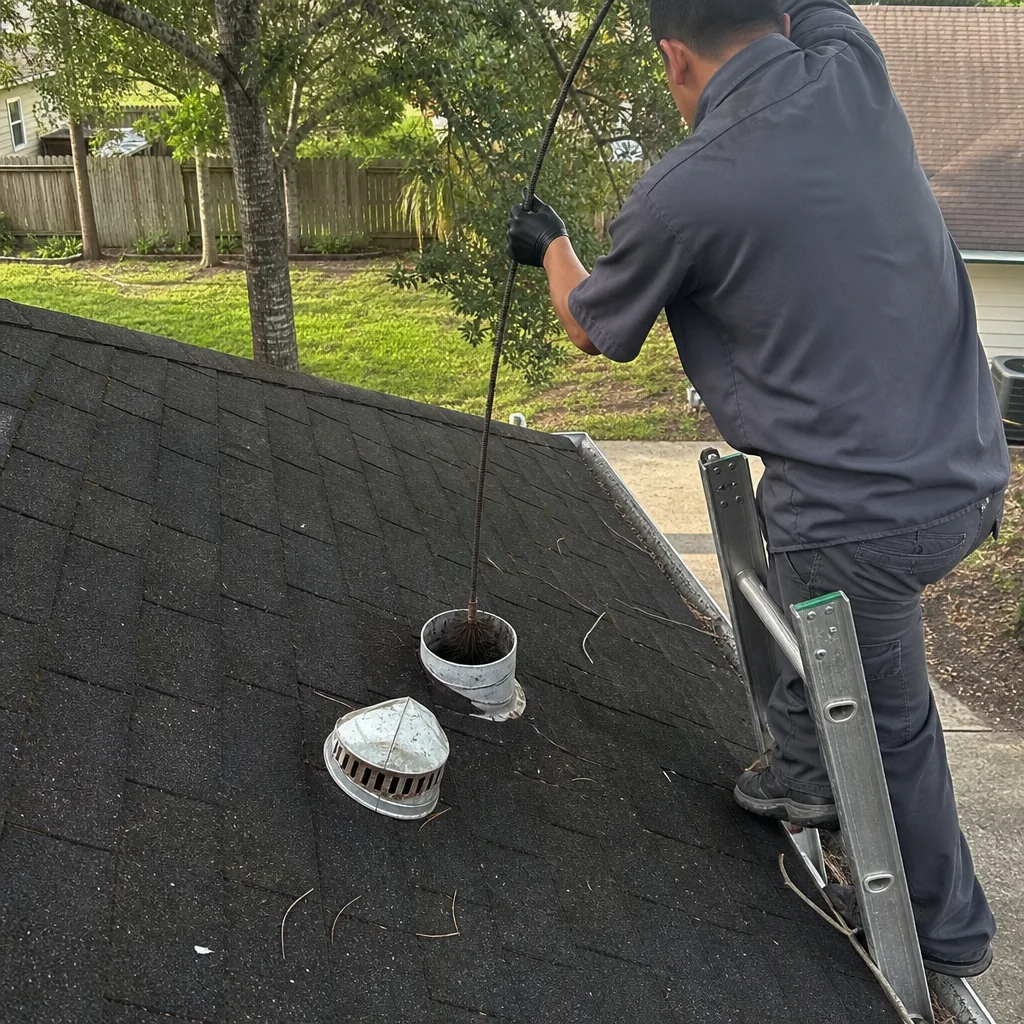
Call a licensed HVAC contractor or documented duct cleaning professional when: you discover disconnected or damaged ductwork; your energy bills spike without explanation; you find unpermitted modifications during a renovation; you’re preparing to sell and need to verify system compliance; or you’ve received a low bid that seems to include repair work without permit discussion.
CleanRun Air Duct Cleaning Pearland offers free estimates in Pearland - call (346) 253-1822. Every estimate includes a written scope and price before any work begins, with no obligation. Our crews operate under the H.A.V.E.N. Standard with background-checked, uniformed technicians identified by name before arrival. We document every finding with photographs and deliver a complete job record, including our 365-Day Done Right Promise in writing.
Frequently Asked Questions
No. Air duct cleaning alone - the mechanical removal of debris from existing ductwork - requires no state or local permit in Texas. However, if the work involves disconnecting ductwork, repairing leaks, replacing components, or modifying the system, those activities may require a licensed HVAC contractor and permit under local amendments to the International Mechanical Code. Call (346) 253-1822 for a free estimate with written scope - we’ll identify whether your specific situation triggers permit requirements.
Whole-system duct cleaning in Pearland typically ranges from $400 to $800 for a standard single-system home, depending on duct run count, accessibility, and contamination level. Add-on services like dryer vent cleaning or HVAC component cleaning affect the total. CleanRun provides one flat price per system agreed before work starts - no per-vent pricing, no post-arrival upsells. Bring any competitor’s written estimate; our Free Second Opinion puts our number next to it at no cost.
Low quotes typically exclude critical elements: limited duct run coverage, no photographic documentation, substandard equipment, or crews that perform “cleaning” in name only while upselling repairs once inside the home. The $79 special rarely includes the full plenum, all return runs, or before-and-after verification. At CleanRun, every quote specifies exactly which components will be cleaned, which equipment will be used, and what deliverables you’ll receive.
Demand a documented photo record showing the interior of every duct run before and after. Timestamped images with readable debris detail are the only verifiable proof. CleanRun has delivered this standard on every job since 2013 - no exceptions, no additional charge. If a crew cannot or will not provide photographic evidence, you cannot confirm work occurred.
For most Pearland homes, every 3 to 5 years under normal conditions. Homes with pets, recent renovations, or occupants with respiratory sensitivities may need more frequent service. The Gulf Coast climate - high humidity, pollen loads, and occasional flooding - accelerates buildup compared to drier regions. A documented inspection with photographic evidence determines actual need better than any calendar interval.
Document the current condition with photographs, obtain a professional evaluation to assess code compliance and safety, and remediate through permitted channels if selling or if the work affects system performance. Disclose known unpermitted work on Texas Property Code Section 5.008 forms. CleanRun’s Free Second Opinion can document findings with written scope and photographs to support your decision.
The Bottom Line
Texas’s lack of state regulation for air duct cleaning creates opportunity for competent operators and cover for incompetent ones. The regulatory gap itself is not the danger - the danger is hiring without understanding where cleaning ends and repair begins. In Pearland’s jurisdiction, that line determines whether permits, licensed contractors, and code-compliant materials become relevant. Ask specific questions, demand written answers, and verify documentation. For more guides & resources, visit our blog. The crew that cannot explain their materials, their equipment, or their permit triggers is the crew most likely to create the problems you’ll discover later.
Written by Tomas Reyes, Owner at CleanRun Air Duct Cleaning Pearland, serving Pearland since 2013.